Ugly Fruits and Vegetables: The Law That Protects the Planet and Your Wallet

Ugly fruits and vegetables: imperfect foods to reduce food waste and support sustainable eating

Did you know that, according to the Spanish Ministry of Agriculture, over 1.2 billion kilos of food are wasted every year in Spain? This alarming figure represents not only a significant economic loss, but also a considerable environmental impact. Fortunately, a new law is changing the game: the Law on the Prevention of Food Loss and Waste.

Why is it important to reduce food waste?

Reducing food waste not only prevents tons of perfectly edible food from ending up in the trash, but also helps preserve natural resources and combat climate change. According to the FAO, food waste generates between 8–10% of global greenhouse gas emissions.

Looks aren't everything: the value of "ugly" fruits and vegetables

Why are ugly fruits and vegetables often discarded?

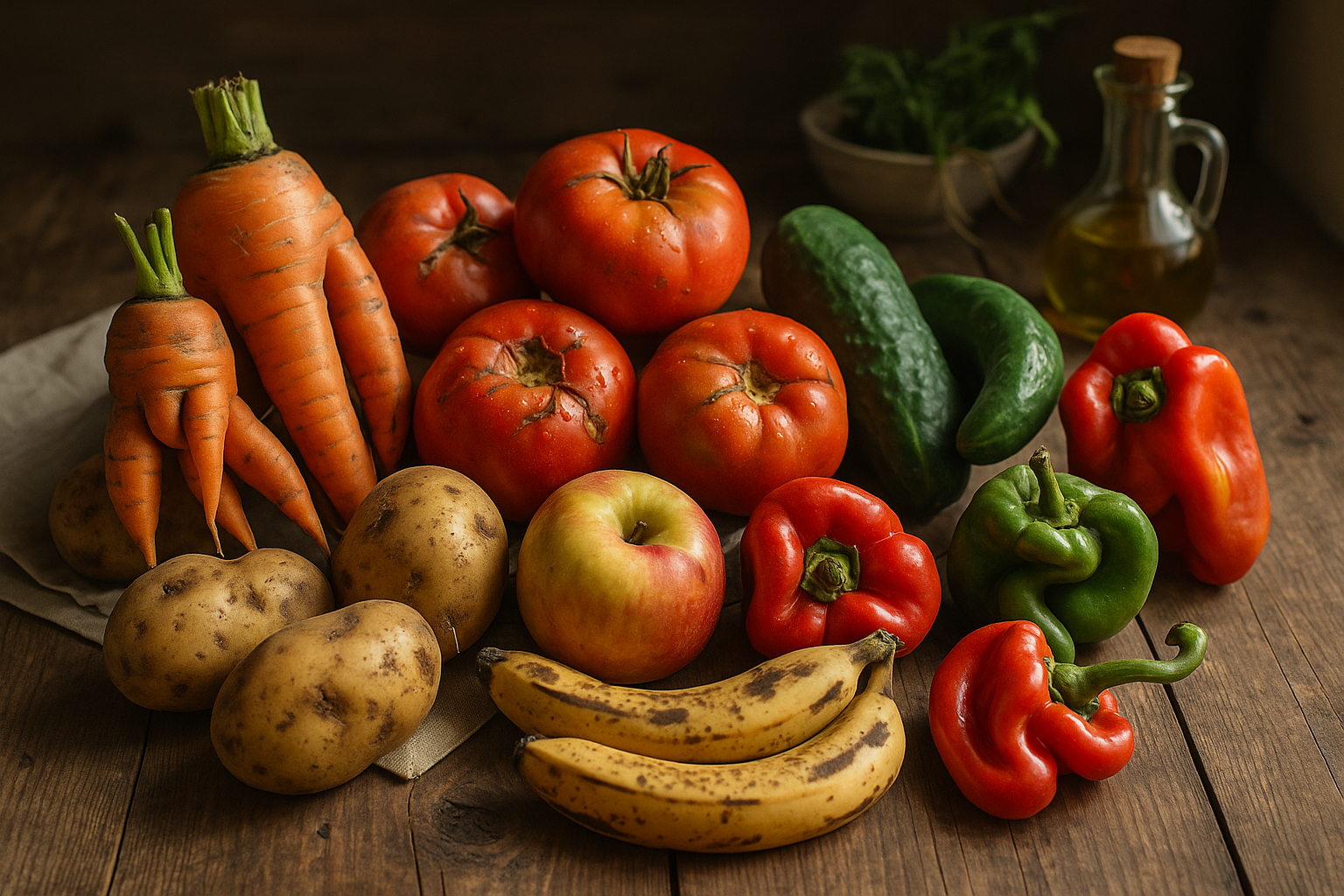
For years, we've been conditioned to choose perfect-looking, shiny, flawless fruits and vegetables. However, this aesthetic preference has led to tons of perfectly edible food being discarded simply because of their appearance.

Are ugly fruits less healthy?

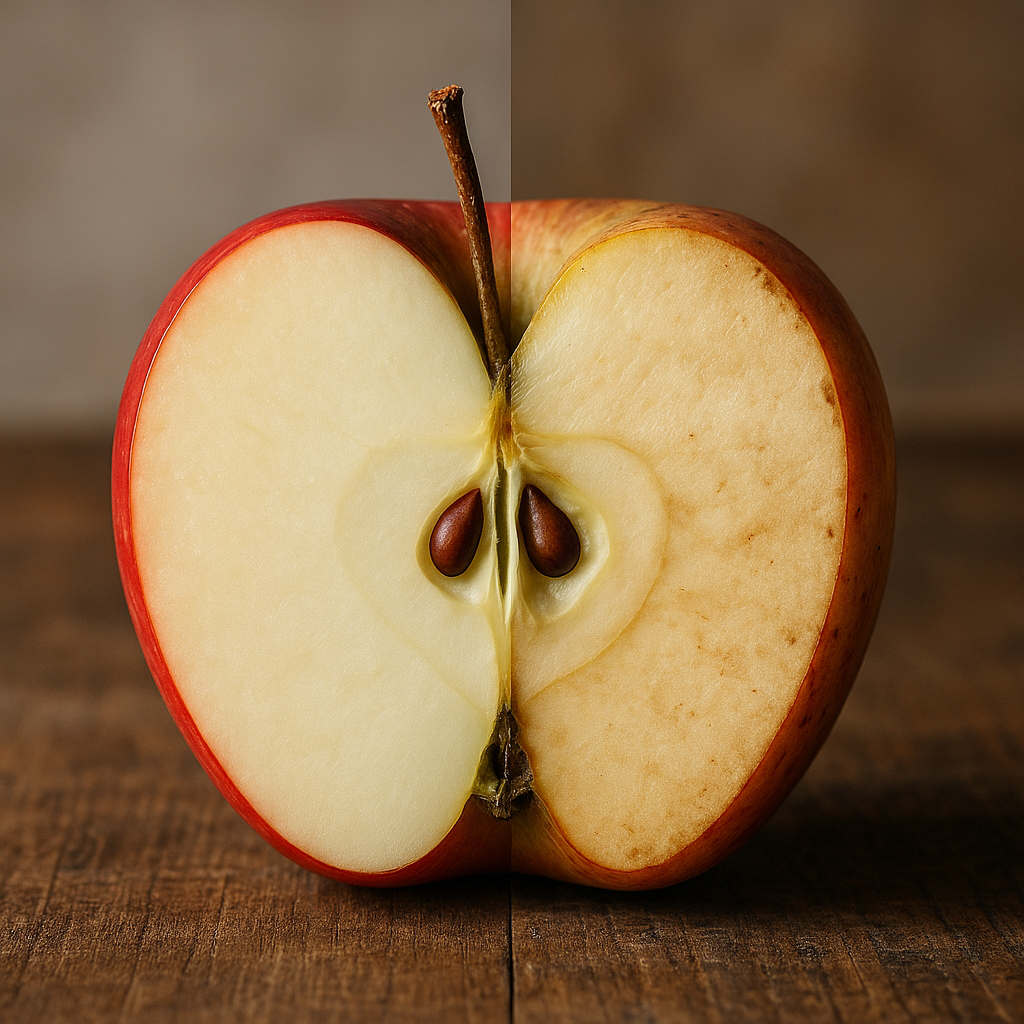
Absolutely not. The nutritional value of “ugly” food is exactly the same as that of “perfect” products. Only the appearance differs—not the benefits. In fact, eating “ugly but good” food is a smart way to care for your health while reducing waste.

Using imperfect foods is not only a way to cut down on food waste, but also a more mindful and sustainable way to consume.

Half apple showing contrast between fresh and blemished appearance, proving equal nutritional value

How does Spain’s food waste law help protect the planet?

The new Food Waste Law in Spain 2025 establishes concrete measures to prevent food from being thrown away at all stages of the food chain. Here are the main ones:

  • Mandatory sale of “ugly” products: Supermarkets must offer fruits and vegetables with aesthetic imperfections at reduced prices, promoting responsible food consumption.

  • Free containers in hospitality: Bars and restaurants must provide reusable or recyclable containers at no extra cost so customers can take leftovers home.

  • Prevention plans: All companies in the food chain must implement plans to reduce food waste, identifying and correcting critical points in their processes.

  • Priority hierarchy: Human consumption is prioritized, followed by animal feed, and lastly composting.

These measures help protect the planet, make better use of resources, and promote sustainable eating.

What are the benefits of buying ugly fruits and vegetables?

Buying ugly produce is not just an act of responsible consumption—it has clear benefits:

  • Reduces your food carbon footprint, by preventing waste and conserving the resources used in production.

  • Saves you money, since these products are usually cheaper.

  • Supports local producers, promoting sustainable products made with local ingredients.

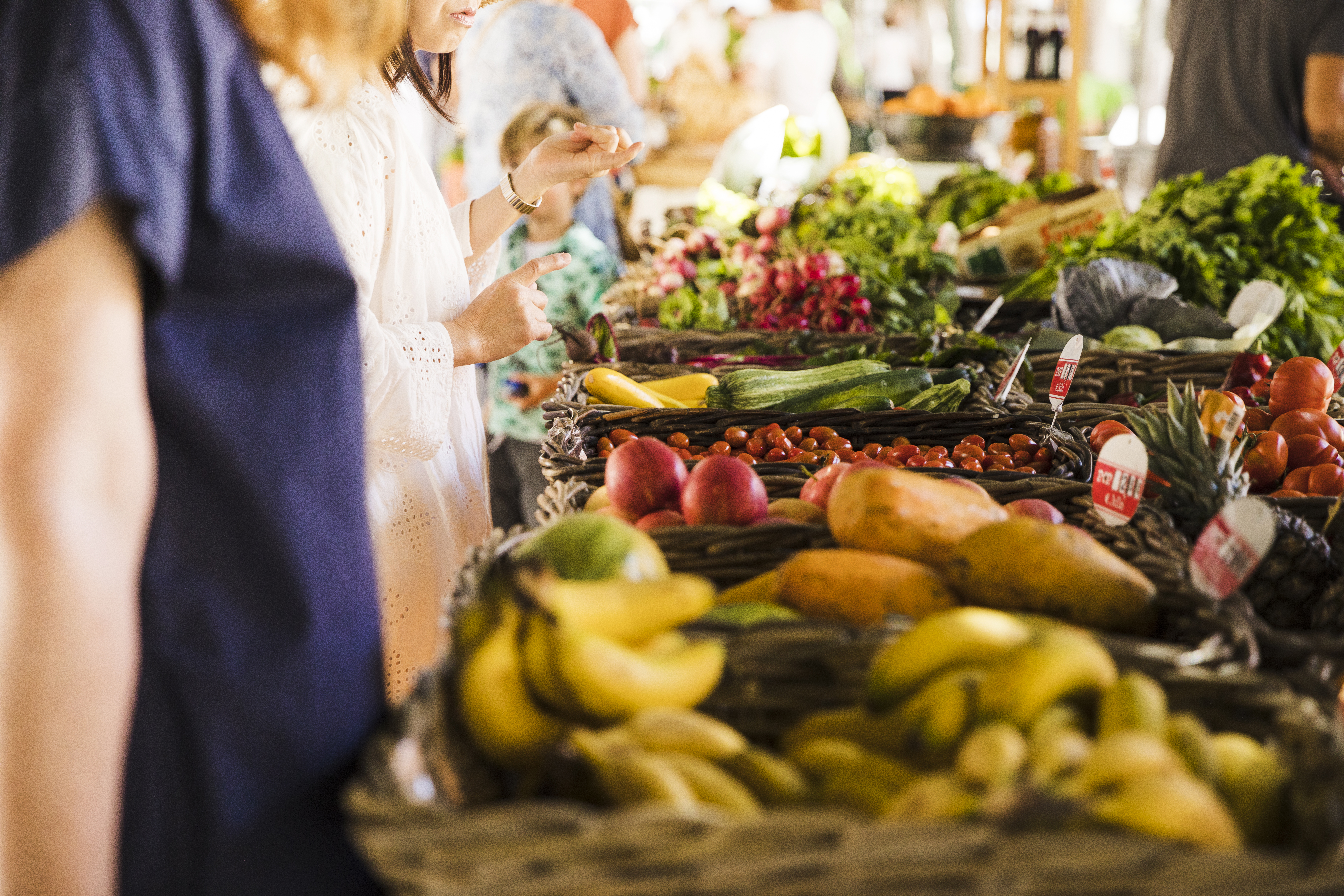
People selecting fruits and vegetables at a local market, promoting responsible consumption and sustainable products

How can I reduce my carbon footprint through food?

One of the most effective ways is to plan your shopping, prioritize local and seasonal products, and make the most of every ingredient. For more ideas on how to reduce your food carbon footprint, we recommend this article with 5 practical tips to reduce food waste.

And if you want to go deeper into how your diet can make a difference, don’t miss our article on how to reduce your carbon footprint.

Criticism and challenges: why this change was necessary

Like any major change, the Law on the Prevention of Food Loss and Waste has sparked some criticism. Some say the penalties are too harsh or that not all companies—especially smaller ones—can easily comply. Others worry that selling ugly fruits and vegetables might confuse customers or damage store image.

And we get these concerns. Change isn’t easy—for businesses or for consumers. But staying the same comes at a much higher cost: millions of kilos of food wasted each year, resources squandered, and a planet that pays the price.

At Satislent, we see it this way: good intentions are fine, but they’re not enough. If everyone is left to decide on their own, nothing changes. This law puts the issue on the table and sets a clear path to do better. It’s not about punishment—it’s about setting rules that help us all change.

For us, it’s nothing new. We’ve long designed our products so you use only what you need—no leftovers, no waste. We’ve backed local, sustainable ingredients from day one. So when a law comes along that asks everyone to take better care of food and make better use of resources, we can only see it as a logical step in the direction we all need to go.

That said, we believe laws like this should come with support and tools to help everyone—especially small businesses—adapt without falling behind. Change is hard, but it’s necessary. And with support, it’s much more achievable.

Because, in the end, this is about caring for what we eat and caring for the planet. And that can’t wait.

Satislent’s commitment to sustainable food

At Satislent, we deeply believe in conscious and sustainable eating. From the beginning, we’ve worked to reduce food waste and minimize the environmental impact of food. We use local ingredients, like extra virgin olive oil and Canarian gofio, and we design our products to provide complete nutrition, avoiding waste and promoting responsible food consumption.

Our products are also designed to prevent waste by using exactly the right amount, ensuring no unnecessary surplus. This philosophy aligns with our commitment to offering sustainable products with local ingredients.

Choosing the right proteins also plays a key role in the environmental impact of food. In our article on plant vs animal protein: differences, benefits, and which to choose, we help you make more sustainable and healthy decisions.

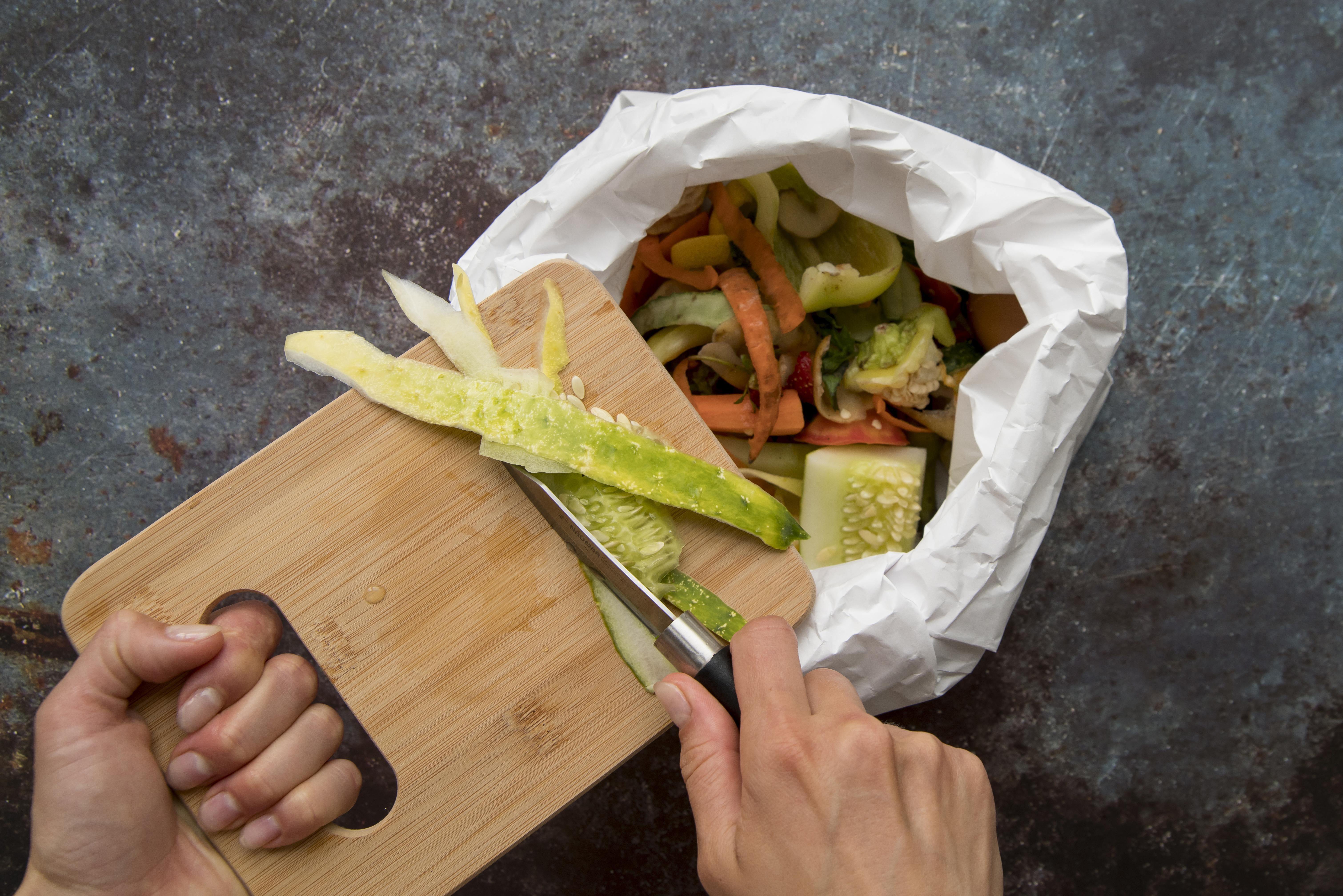
Food waste: discarded fruit and vegetable scraps in a trash bin

Conclusion: every action counts

Sometimes the simplest actions have the biggest impact. Using imperfect food, choosing sustainable products, planning your shopping… These may seem like small decisions, but each one helps transform the food system.

You might think that not tossing a bruised apple or choosing a crooked carrot is just a small gesture—but if we all act consciously, change becomes inevitable. Every responsible choice you make benefits not just your health and your wallet, but also helps build a fairer, more respectful model for the planet.

Next time you're deciding what to put in your basket, remember: what you do matters. Truly. Choosing food that would otherwise be wasted is a tangible way to fight food waste. It’s an action that counts.

And when you choose products like Satislent’s, you know you’re supporting complete, sustainable nutrition—designed to minimize the environmental impact of food. Because we believe it’s possible to care for yourself and the environment—without compromising on quality or falling into superficiality.

   Every small step counts. And together, those steps make a difference.